When everyone needs the same information, but it's scattered across different systems
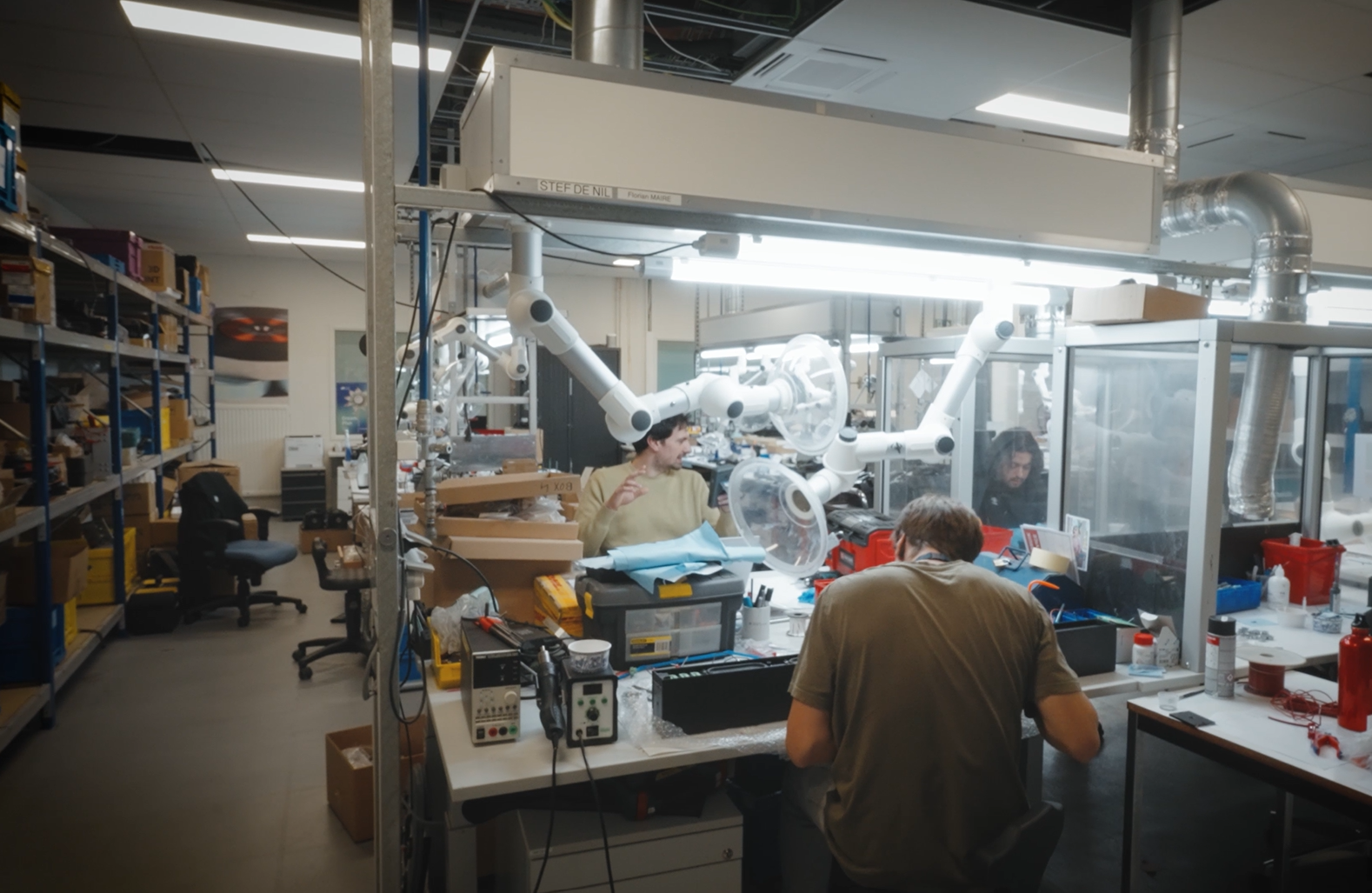
R&D worked in its own product development environment using PTC Creo, while some of the Bill of Materials information was maintained in Excel. This meant that other people working on the same RFQ didn't automatically have access to the same information.
It created a familiar problem: people worked in different systems, information wasn't always clear, and data had to be converted manually.
"In the past, information was often lost or unclear because we were working with all kinds of different systems.”
Bram Deboiserie
Functional Applicatons Manager at Premium Sound Solutions
What PSS needed was clear: one place where different teams could access the same product information, collaborate using that data and easily retrieve information from previous projects.
And the need for greater structure didn't come from engineering alone. The costing team played an important role too. The existing PDM collaboration with Savaco provided the starting point for the move towards PLM.
“The solution we needed was one where the different parties could look at the same data and collaborate more effectively.”
Bram Deboiserie
Functional Application Manager - Premium Sound Solutions
Less manual work, faster scenario evaluation
For users, the biggest gains are visible in their day-to-day work.
Data that previously had to be converted manually is now processed automatically. Information is brought together in one system and is more clearly available to cost engineers. This allows them to assess different product versions and calculations faster.
That may well be the essence of this story.
PSS doesn't work faster because people are working harder. It works faster by removing steps that used to take time without adding much value.
At the same time, the risk of important information getting lost along the way is reduced.
“Data conversion used to be a manual process. Now it's automated. That's a major time-saver for us. And everything is now neatly brought together in one system.”
Lieven Descamps
Senior Mechanical Engineer - Premium Sound Solutions
Change doesn't happen with a big bang
Introducing a new system is one thing. Making sure people actually want to use it, and know how to, is another.
That's why PSS and Savaco deliberately opted for a phased implementation.
New functionalities are introduced step by step, giving employees time to learn how to use them and incorporate the new way of working into their daily processes.
A team of key users at PSS worked closely with Savaco throughout the process. Together, they reviewed the existing processes and translated them into the new environment.
That approach matters. A PLM journey doesn't just change where information is stored. It also changes how people collaborate around that information.